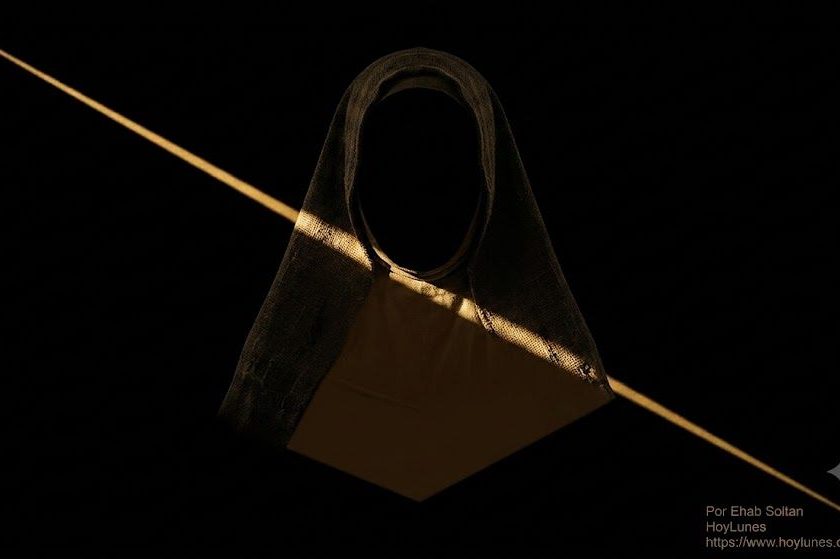

An analysis of Marta Martín Girón’s narrative: between Cay’s estrangement, the emotional architecture of the walls, and the modesty of an identity being reconstructed in the shadows.
By Claudia Benítez
HoyLunes – This reading is part of the “Leo por ti” (I read for you) series, a space promoted by HoyLunes. It is an intimate and contemplative gesture: to remain alongside the text, to hear how the words awaken, and to let what is written breathe in its own time, so that it may continue to speak.
La interna feels like a confession whispered in a low voice. It is a story that glides, approaching slowly, as if it needed to earn the reader’s trust before revealing what truly hurts. Marta Martín Girón constructs a restrained, almost modest beginning, where what matters is not so much what happens, but what is perceived: silences, glances, and minimal gestures that carry an unexpected emotional weight.

For Cay, the protagonist, her job as a live-in domestic worker (*interna*) appears not only as a salvation from hardship but also as a physical place—even more so, as an atmosphere that envelops and conditions her. The walls, their rules, and their routine construct a setting where she begins to feel blurred, observed from a painful distance. There is a constant sense of estrangement: being there without fully belonging, fulfilling what is expected while something intimate retreats and resists.
The narration is sustained with a very fine sensitivity; the writer allows the reader to gradually approach the protagonist’s inner world. Thoughts appear fragmented, contained, as if they have not yet found a clear way to be spoken. This emotional modesty is one of the text’s greatest achievements: that which remains unnamed carries as much weight as that which is said.

The reader does not receive closed explanations; instead, they receive sensations, doubts, and small cracks that open little by little. Cay observes others and observes herself, trying to understand who she is within an environment that seems to demand constant adaptation. This silent search for identity traverses the story with a soft and persistent melancholy.
The author’s style is sober and delicate, with a prose that accompanies the character’s inner rhythm. Each scene seems constructed to be felt rather than explained. We do not receive certainties, but rather open questions, blurred memories, and emotions that do not yet have a name.
From its very first pages, ´La interna´ presents itself as a novel of intimacy and emotional formation. It invites an attentive, almost confidential reading. It leaves a discreet yet lasting mark, awakening a desire to keep reading to understand—not so much what happens next, but what is breaking and being rebuilt within the narrator.

It is a reading that approaches the heart with care, like one who knows that touching certain memories requires respect and patience.

`#HoyLunes` `#ClaudiaBenitez` `#LeoPorTi` `#LaInterna` `#MartaMartinGiron` `#IntimateLiterature` `#LiteraryReview` `#PsychologicalThriller` `#ContemplativeReading` `#IdentityAndSilence`